Enhance Your Backyard with Custom Landscaping Solutions
A well-designed backyard adds beauty and value to your home while creating space for relaxation and entertainment. Custom landscaping takes your outdoor area beyond basic grass and plants to create a personalized environment that fits your needs and style. Professional landscaping services work with your property's natural features and your budget to build outdoor spaces that look great and function well for your family's lifestyle.
Key Takeaways
Planning Your Custom Landscape Design
Good landscaping starts with careful planning that considers your property's conditions and your family's needs. Professional designers look at factors like soil type, water drainage, sun patterns, and slope before creating a plan that works with these natural conditions.
The planning process includes discussing how you want to use your outdoor space. Some families need areas for children to play, while others want quiet garden spaces or entertainment areas for hosting guests. Your contractor will also consider your maintenance preferences and budget to create realistic recommendations.
Site Assessment Factors:
- Existing soil conditions and drainage patterns
- Sun and shade areas throughout the day
- Property slope and grading needs
- Access for equipment and materials
- Underground utilities and easements
- Local climate and weather patterns
Modern landscaping backyard projects often focus on water-wise designs that reduce irrigation needs. This approach saves money on water bills and creates landscapes that handle dry conditions better. Climate considerations play a major role in plant selection and design decisions for Colorado properties.
Hardscape Elements That Add Function
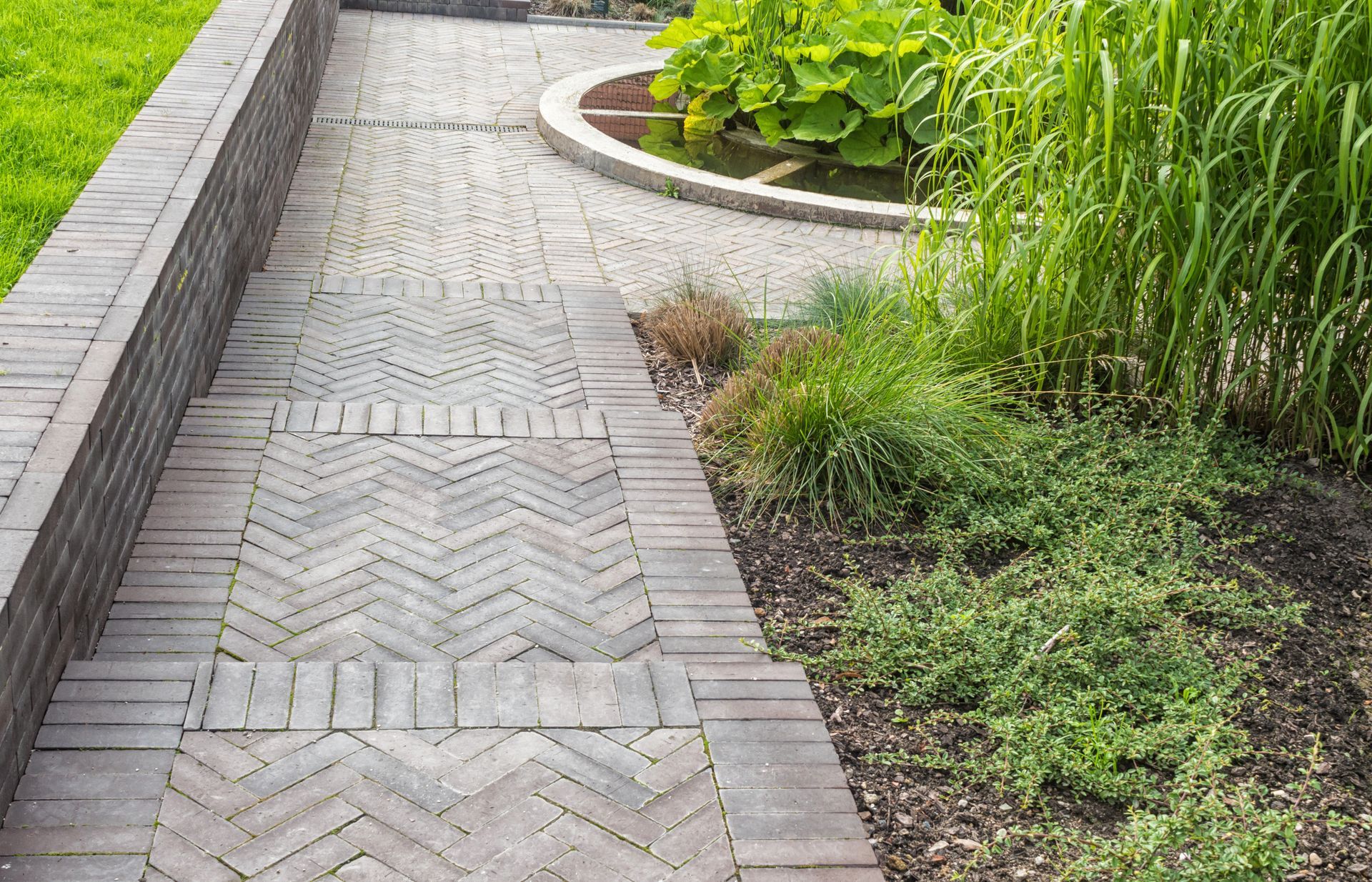
Hardscape features provide the foundation for outdoor living spaces. These permanent structures include patios, walkways, fire pits, and retaining walls that define different areas and add functionality to your yard.
Retaining Walls and Terraced Areas
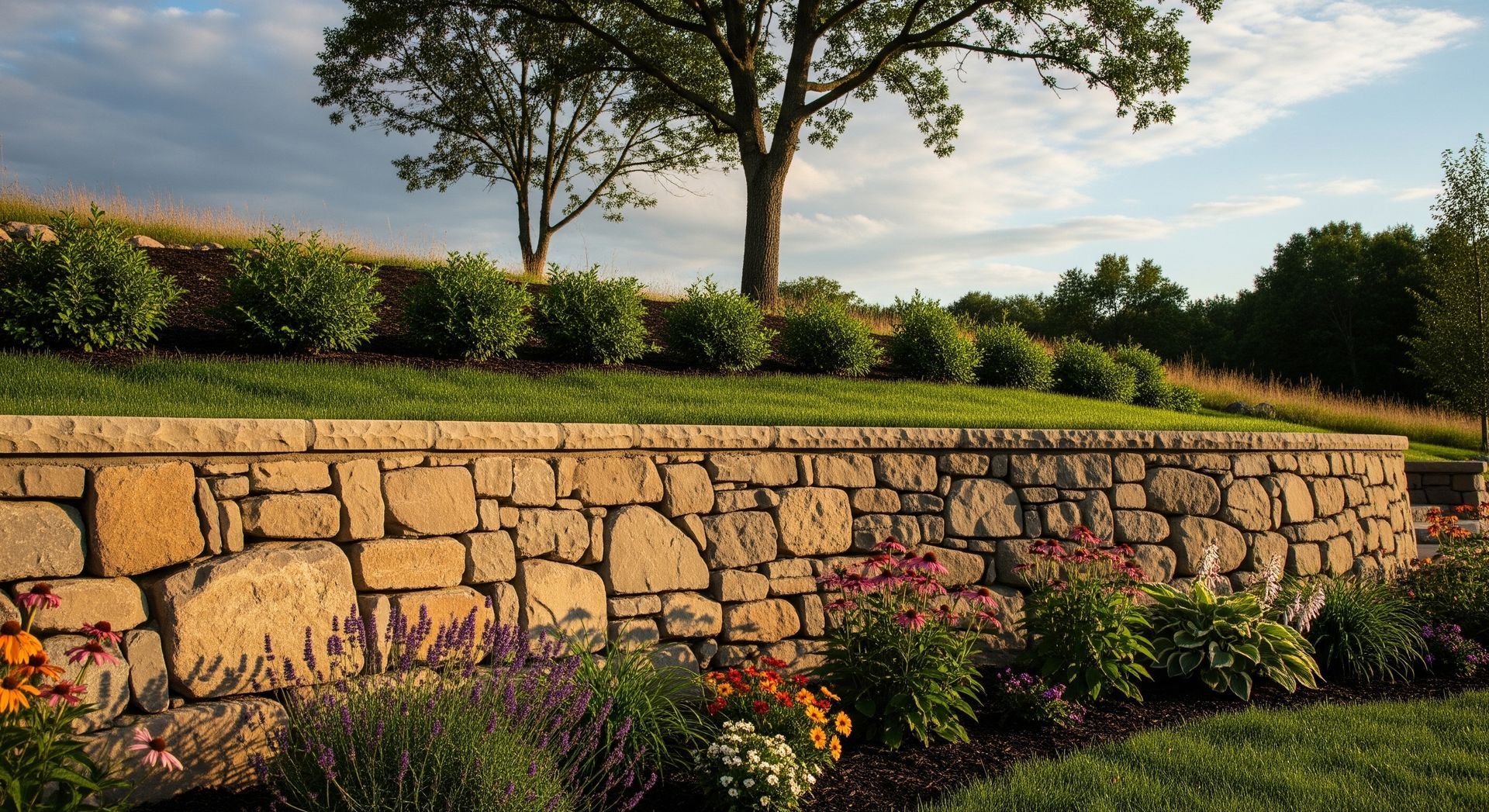
Retaining walls serve important purposes on sloped properties by preventing erosion and creating level areas for planting or outdoor activities. These structures can transform unusable steep areas into attractive, functional spaces.
Benefits of Retaining Walls:
- Control water runoff and prevent erosion
- Create level planting beds on sloped ground
- Add seating areas when built with wide caps
- Define property boundaries and garden zones
- Increase usable yard space
Retaining walls that Loveland contractors build should meet local building codes, especially for structures over three feet tall. Professional installation ensures proper drainage behind the wall and adequate foundation support. Wall materials include natural stone, concrete blocks, or timber, each offering different appearances and cost levels.
Patios and Outdoor Living Areas
Patios extend your indoor living space outside and provide stable surfaces for furniture and activities. Materials like concrete, natural stone, or pavers each offer different looks and maintenance requirements.
Well-designed patios consider traffic flow between your house and yard, provide adequate space for furniture and activities, and include proper drainage to prevent water problems. Size recommendations vary based on intended use, but most patios need at least 100 square feet for basic seating areas.
Patio Material Options:
- Concrete pavers offer durability and design flexibility
- Natural stone provides a unique appearance and longevity
- Stamped concrete creates custom patterns and textures
- Brick offers a traditional appearance and easy replacement
Fire pits and outdoor kitchens add functionality for entertainment and extend the outdoor season use. These features require proper planning for safety, utilities, and local regulations.
Plant Selection for Colorado Gardens
Choosing the right plants is crucial for creating landscapes that thrive in local conditions. Colorado's climate includes hot summers, cold winters, and varying precipitation levels that affect which plants grow successfully.
Native and Adapted Plants
Plants native to Colorado or adapted to similar climates typically require less water and care than plants from other regions. These varieties have developed natural resistance to local pests and diseases.
Advantages of Regional Plants:
- Lower water requirements after establishment
- Natural resistance to local pests and diseases
- Better survival rates in extreme weather
- Support for local wildlife and pollinators
- Reduced need for fertilizers and chemicals
Common native Colorado plants include blue spruce, aspen trees, mountain mahogany, and various wildflowers that provide color throughout the growing season. Adapted plants from similar climates can expand design options while maintaining sustainability benefits.
Planning for Seasonal Interest
Successful landscapes include plants that provide visual interest throughout the growing season. This might include spring-blooming bulbs, summer flowering perennials, fall color from trees, and evergreen plants for winter structure.
Professional landscapers understand bloom times and growth habits of different plants, helping create combinations that look good from spring through fall. Layered planting with trees, shrubs, and perennials creates depth and visual interest while maximizing space use.
Seasonal Planning Considerations:
- Spring bulbs for early color
- Summer annuals for continuous blooms
- Fall foliage trees for autumn display
- Evergreen plants for winter structure
- Ornamental grasses for movement and texture
Professional Installation Process
Quality installation makes the difference between landscapes that thrive and those that struggle with ongoing problems. Professional contractors follow proven methods for soil preparation, plant installation, and construction techniques.
Soil Preparation and Construction
Most properties need soil improvements before planting. This might include adding organic matter to improve drainage in clay soils or adding nutrients to sandy soils that drain too quickly.
Professional soil testing identifies specific needs for pH adjustment, nutrient levels, and soil structure improvements. Proper soil preparation creates conditions where plants can establish strong root systems.
Common Soil Improvements:
- Organic matter addition for structure and nutrients
- Sand or gravel for drainage improvement
- Compost for biological activity enhancement
- pH adjustment with lime or sulfur applications
- Fertilizer incorporation for initial nutrition
| Installation Phase | Typical Duration | Key Activities |
|---|---|---|
| Site Preparation | 2-3 days | Excavation, grading, utility marking |
| Hardscape Construction | 1-2 weeks | Patios, walls, walkways |
| Soil Preparation | 2-3 days | Amendments, grading, bed preparation |
| Plant Installation | 3-5 days | Trees, shrubs, perennials, grass |
| Final Details | 1-2 days | Mulching, cleanup, irrigation setup |
Hardscape installation requires knowledge of proper techniques for foundations, drainage, and materials. Poor installation can lead to settling, cracking, or water problems that are expensive to fix later.
Modern irrigation systems provide efficient water delivery tailored to different plant needs and site conditions. Smart controllers adjust watering schedules based on weather conditions, soil moisture, and seasonal plant needs.
Maintenance for Long-term Success
Even the best-installed landscapes need regular care to maintain their appearance and health. Professional lawn care services in the Longmont, CO area provide maintenance programs tailored to your specific plants and hardscape features.
Seasonal Care Requirements
Different seasons require different maintenance activities. Spring typically includes pruning, fertilizing, and system startups, while fall focuses on winterization and cleanup activities.
Spring Maintenance Tasks:
- Pruning winter-damaged branches
- Applying appropriate fertilizers
- Starting irrigation systems
- Planting new additions
- Mulching planting beds
Fall Preparation Activities:
- Leaf removal and composting
- Winterizing irrigation systems
- Protecting tender plants
- Final lawn care treatments
- Tool and equipment storage
Lawn service Boulder, CO, providers often offer year-round programs that handle seasonal transitions automatically, ensuring your landscape receives appropriate care at the right times.
Irrigation Management
Proper watering keeps plants healthy while avoiding waste. Modern irrigation systems can be programmed for different zones with varying water needs, ensuring each area receives appropriate amounts.
Regular system maintenance includes checking for broken sprinkler heads, adjusting spray patterns, and seasonal timing adjustments based on weather conditions and plant needs.
Irrigation Best Practices:
- Water deeply but less frequently to encourage deep root growth
- Adjust schedules seasonally based on plant needs and weather
- Monitor soil moisture to prevent over- or under-watering
- Repair leaks promptly to prevent waste and plant stress
- Use mulch to reduce evaporation and maintain soil moisture
Choosing Local Landscaping Contractors
Working with experienced local contractors provides advantages in plant knowledge, climate understanding, and ongoing service availability. Landscaping Broomfield, CO professionals understand regional growing conditions and can recommend solutions that work well in local soil and weather conditions.
Evaluating Contractor Qualifications
Good contractors carry proper licensing and insurance coverage that protects property owners during construction. They should provide references from recent projects and examples of similar work.
Important Contractor Credentials:
- Valid business licensing for your area
- General liability and workers' compensation insurance
- References from recent residential projects
- Portfolio of completed work similar to your needs
- Written estimates with detailed scope descriptions
Professional contractors also stay current with industry best practices, new materials, and sustainable landscaping techniques through continuing education and trade association memberships.
Project Planning and Communication
Clear communication about timeline, budget, and expectations helps ensure successful project completion. Professional contractors provide written estimates that detail materials, labor, and timeline expectations.
Good contractors also explain maintenance requirements for new installations and may offer ongoing care services to protect your investment.
Project Communication Elements:
- Detailed written contracts with clear scope descriptions
- Timeline with milestones and weather contingencies
- Change order procedures for modifications during construction
- Progress updates and site access coordination
- Warranty information for materials and installation
Budget Planning for Landscape Projects
Landscape project costs vary widely based on size, materials, and complexity. Understanding cost factors helps you make informed decisions about which features to include and how to phase work if needed.
Cost Factors and Planning
Material costs typically represent 40-60% of total project expense, with labor making up the remainder. Higher-quality materials often cost more initially but may provide better long-term value through durability and lower maintenance needs.
Major Cost Categories:
- Design and planning services
- Site preparation and grading
- Hardscape materials and installation
- Plants, trees, and installation
- Irrigation system installation
- Ongoing maintenance services
Some property owners choose to phase larger projects over multiple seasons to spread costs or take advantage of seasonal pricing for certain materials or services.
Quality landscaping provides both immediate enjoyment and long-term financial benefits through increased property values and reduced utility costs. Water-wise landscapes can significantly reduce irrigation expenses, while well-placed trees provide energy savings through summer shading.
Frequently Asked Questions
How long does a custom landscaping installation typically take?
Most residential projects take 3-6 weeks, depending on size and complexity. Weather conditions and material availability can affect timing, with spring being the busiest season.
What time of year works best for landscaping projects in Colorado?
Spring and fall provide optimal planting conditions, though hardscape work can proceed in most weather. Plant installation works best when temperatures are moderate and adequate moisture is available.
How much maintenance will my new landscape need?
Maintenance requirements depend on plant choices and design complexity. Most landscapes benefit from professional care 3-4 times per year after establishment, with higher frequency during the first growing season.
Does professional landscaping increase home value?
Quality landscaping typically increases property values, with well-designed and maintained landscapes often recovering a significant portion of installation costs in added home value when properties are sold.
Should I hire separate contractors for different parts of my project?
Working with one contractor for the entire project often provides better coordination and accountability. However, some property owners choose specialists for specific features like irrigation systems or outdoor lighting installations.
Final Thoughts
Custom landscaping creates outdoor spaces that reflect your style while adding lasting value to your property. Professional design and installation ensure your investment provides years of enjoyment with appropriate maintenance. Whether you want a complete backyard transformation or specific improvements, working with experienced local contractors helps achieve results that enhance your outdoor living experience and complement your home's architecture while working within Colorado's unique climate conditions.
Ready to Transform Your Outdoor Space? Contact JM Landscapers today to schedule your free consultation and start planning your custom landscaping project.
Reference:
https://www.gardenia.net/native-plants/colorado